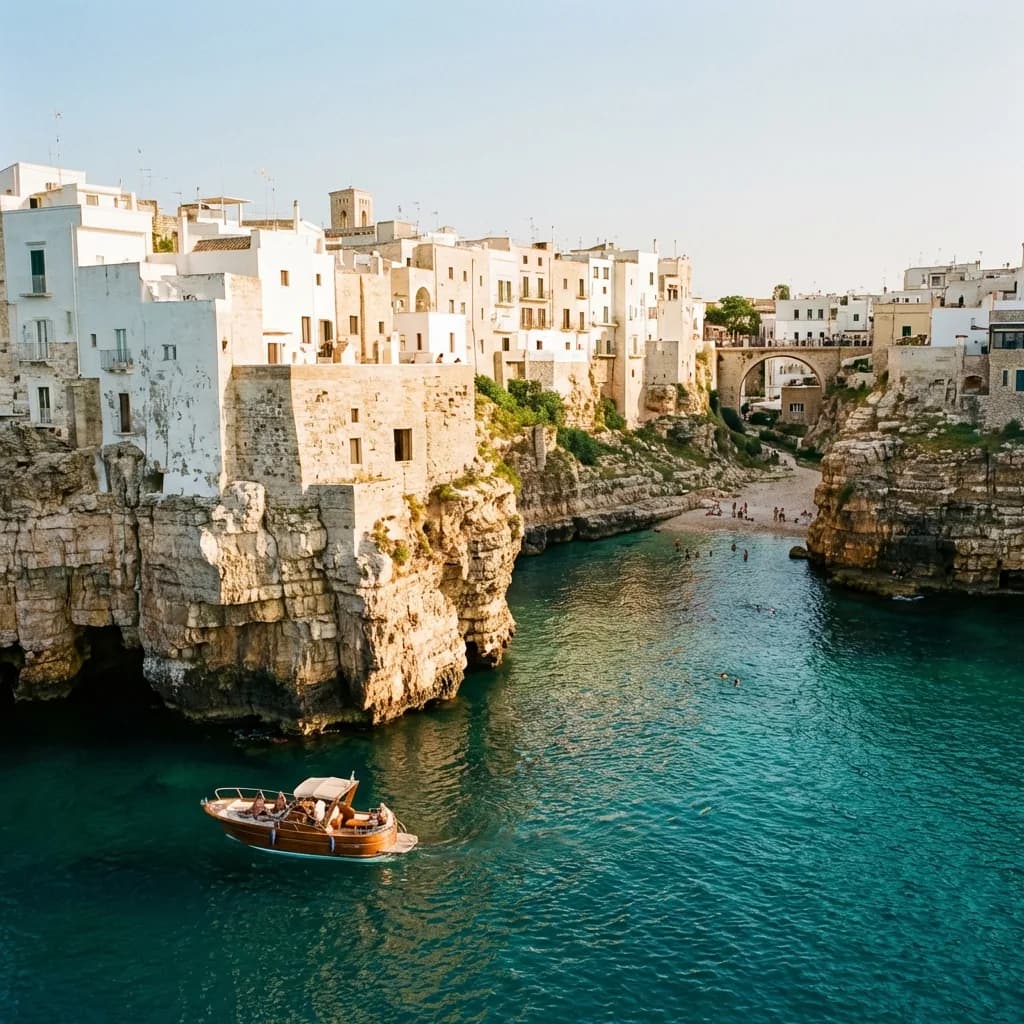
POLIGNANO A MARE: Cliff-Top Dining & Cave Swimming
Polignano a Mare exists at the intersection of two incompatible experiences. Above, it's a charming medieval town perched on limestone cliffs with Instagram-worthy aesthetics. Below, it's one of the few Mediterranean locations where you can literally swim into sea caves—a geological feature most of Apulia lacks. This Polignano a Mare travel guide explores both the heights and the depths.
The tension between these two experiences defines everything about Polignano. Most tourists arrive, photograph the town from above, eat at a cliff-top restaurant, and leave feeling they've experienced something special. They've actually experienced the performance without the substance.
The substance is underwater. The caves, the underwater passages, the geological formations that make Polignano structurally unique—these exist below what photographs capture. If you come to Polignano without experiencing the water element, you've missed the point entirely.
This guide shows you how to make the vertical journey from town to sea caves the centerpiece of your visit, not an afterthought.
Understanding Polignano's Geology and Why It Matters
Polignano exists because of limestone caves eroded by thousands of years of wave action. The town literally sits on a honeycomb of underwater passages, chasms, and caverns. This isn't aesthetic accident; it's geological consequence.
The limestone platform (Cretaceous era, 100 million years old) was carved by Mediterranean water working on soft rock. Waves created arches, passages expanded, and eventually the water flow created the system visible today. The town is built on the roof of this system.
Why This Matters for Your Experience:
If you only see Polignano from above, you're looking at the ceiling of something magnificent. To understand the structure, you need to experience it from inside.
The Three Vertical Zones of Polignano:
Zone 1: Upper Town (30m above sea level)
- Medieval buildings on cliff edge
- Main piazza and restaurants
- What tourists photograph
Zone 2: Cliff Face (0-30m drop)
- Vertical limestone walls
- Accessible by stairs and passages carved into rock
- Where cave entrances begin
Zone 3: Sea Level/Underwater (Below sea surface)
- Cave entrances at water line
- Underwater passages extending inland
- Accessible by swimming or small boat
Understanding these zones changes how you move through Polignano. You're not visiting one location; you're exploring a vertical cross-section of geology. This is why many visitors consider it one of the places to visit in the region.
Upper Town: Medieval Town Perched on Cliffs
The Town Structure:
Polignano's old town is essentially one main street (Via Garibaldi) that ends abruptly at the cliff's edge. Houses are stacked on top of each other, medieval defensive design. Narrow alleys, stone steps, minimal sunlight in some passages.
Population: ~3,500 residents (about 40% living in old town, 60% in modern suburbs)
Piazza Vittorio Emanuele II (Main Square)
This is where all upper-town tourism concentrates. The square sits directly on the cliff, giving the illusion you could fall directly into the sea (you can't—it's 30m straight drop).
Operational Details:
- Most activity: 12:00-2:00 PM and 6:00-8:30 PM
- Quietest: 3:00-5:00 PM (afternoon heat/rest period)
- Best light: Sunset (5:30-8:00 PM depending on season)
- Crowds: Heavy July-August, manageable April-June and September-October
What's Actually Here:
Several restaurants face the square, all charging premium prices for the view. The cathedral (Chiesa di Assunta) sits at the piazza's edge—medieval, simple interior, not particularly interesting architecturally.
The real value of the upper town isn't the specific buildings (which are standard medieval stone construction) but the collective composition. Stand in the center of the piazza at sunset and you understand why people visit: the geometry of buildings frames the sea, light hits the stone facades, and humans instinctively feel peaceful in well-proportioned spaces. This is architecture working on psychology, not through decoration.
Best Hour in Upper Town:
6:30-7:30 PM. The heat breaks, locals emerge for passeggiata, tourists thin out (many already at dinner reservations), and light is optimal. Walk slowly, notice the stone patterns, watch locals acknowledge each other.
The Restaurants and Cliff-Top Dining
Polignano has roughly 15 restaurants with cliff-facing views. Most are mediocre: €35-50 per person for average food with exceptional view. You're paying for location, not cuisine.
Three strategies exist:
Strategy 1: Accept That You're Paying for View and Choose Accordingly
Grotta Palazzese
- Famous restaurant literally built into a cave
- Pricing: €60-90 per person (premium pricing for experience)
- Reservation: Essential (book 2-3 weeks ahead for summer, 1 week minimum otherwise)
- What you're paying for: Dining inside a 15m-tall sea cave, surrounded by limestone and water
- Food quality: Adequate-to-good, not exceptional
- Honest assessment: Worth it once for the experience, not repeatedly
Booking note: Direct phone reservation or through the apulia.travel platform to book Puglia experiences.
Other Cliff-Top Restaurants (€35-50/person):
- Al Fornello da Ricci (Via Garibaldi facing sea)
- Ristorante Polignano (Piazza Vittorio Emanuele II)
- All offer similar views, varying food quality
Strategy 2: Eat Away from the Cliff, Pay Less, Eat Better
Trattoria Dante (One block from main square)
- Pricing: €18-28 per person
- No sea view but 1-minute walk to cliff view
- Food: Honest, regional, well-executed
- Reservation: Not needed; comes down to availability
- Why it works: You get the town experience without the view premium
Strategy 3: Eat Simple Lunch, Save Dinner Budget for One Special Restaurant
Grab lunch (€12-18 at casual spots), spend afternoon exploring caves and swimming, have one elevated dinner at sunset.
Food Specialties in Polignano:
Pasta e Fagioli (Pasta and Beans)
- Simple, regional, cheap (€8-12)
- Every trattoria serves it
- Test of quality: simplicity requires perfect execution
Orecchiette alla Pescatora (with Fish)
- Regional interpretation of seafood pasta
- €14-18 at trattorias, €24-35 at restaurants
- Quality varies dramatically by restaurant
Sea Urchin (Ricci) in Season (April-May)
- Raw, lemon, nothing else (€18-28 at restaurants, €6-8 at markets)
- Limited availability outside season
- If in season, don't skip
The Caves: Sea-Level Exploration and Swimming
This is what makes Polignano genuinely unique.
Cave System Overview:
Polignano has two primary accessible cave systems:
Grotta della Monaca (Monk's Cave)
- Largest cave accessible by swimming
- Entrance: 50m south of the piazza, at water level
- Size: 60m deep (extends far inland)
- Swimming distance to entrance: 100-150m from beach access point
- Notable: Arched ceiling with natural skylight holes, creating ethereal light
- Difficulty: Easy swim for moderate swimmers, can be kayaked with guide
Grotta di Lama Monachile (Lama Cave)
- Smaller, more intimate cave
- Entrance: Directly under the town center
- Accessible: By boat/kayak or expert swimmers only
- Notable: Water so clear you see ancient stalactites underwater
Grotta Palazzese
- The famous restaurant cave
- Accessible: Only through restaurant reservation and dining
- Notable: 15m ceiling, dramatic natural arch
Cave Access Methods:
Option 1: Organized Kayak Tour
Tour Operators:
- Polignano Adventure (phone: +39 320 xxx xxxx)
- Grotto Tours (seasonal, summer only)
Details:
- Duration: 2-3 hours
- Group size: 4-6 people typically
- Pricing: €25-40 per person
- What's included: Kayak, guide, safety instruction
- Reservation: 1 day ahead recommended
- Best time: Morning (6:00-11:00 AM) for calmest water
What You Experience:
- Paddle to multiple caves
- Guide explains geology/history
- Close-up of rock formations, water color, light effects
- Swimming opportunities (guide decides based on conditions)
Option 2: Independent Swimming
Requirements:
- Intermediate-to-advanced swimming ability
- Comfort with open water (not beach swimming)
- Understand tide/current conditions
- Check daily weather and sea state
Access Point: Lido Polignano (Beach Club)
- Public beach access with facilities
- €5-10 entry if buying drink/food
- Lifeguards present
- Rental of snorkels, fins (€5-8)
- GPS location: Safe beach for launching toward caves
Swimming Direction to Grotta della Monaca:
- Swim roughly south/southeast from main beach
- Distance: 150-200m
- Duration: 15-20 minutes for moderate swimmers
- Current reality: Can be challenging depending on day
Safety Considerations:
- Never swim alone
- Check weather forecast (wind = dangerous conditions)
- Avoid if any wave activity
- Tell someone your plan
Option 3: Boat Charter
Details:
- Private boat rental (€100-150 for 3-4 hour charter)
- Captain familiar with caves
- Can access all caves including most remote areas
- Price split among group becomes reasonable (€25-40 per person in group)
Best Option Recommendation:
For most travelers: Kayak tour (Option 1). It balances safety, access, and experience. For strong swimmers who want independence: Beach access (Option 2). For special occasions: Boat charter (Option 3).
Activities Beyond Caves: What Else Happens in Polignano
Swimming/Beach Access:
Multiple beach areas exist:
Lido Polignano (Main Beach)
- Sandy beach, 200m x 50m
- Facilities: Bar, changing rooms, umbrellas (€10-15 rental)
- Water quality: Clean, good swimming
- Crowd level: Moderate-to-heavy in summer
- Best timing: Before 10:00 AM or after 4:00 PM
Other Beach Clubs and Coves:
- Several small coves south of town require climbing down steps
- Each accessible by paying €5-15 beach club fee
- More private, fewer crowds, still crowded in peak season
Rock Jumping:
Several natural rock formations near water allow cliff jumping (10-20 feet). Not official; requires caution. Only during calm water conditions.
Snorkeling:
The water off Polignano is clear (15-20m visibility typically) and contains Mediterranean fish. Snorkel from beach, or include in kayak tour.
Sunset Viewing from the Cliff:
The single best sunset experience in Apulia. Free, no reservation needed. Arrive 30-45 minutes before sunset, claim a spot on the cliff edge or piazza. Watch light change on water and stone.
Practical Framework for Polignano
How Many Hours/Days in Polignano?
If 1 Day (6-8 hours):
- 2 hours: Upper town exploration, passeggiata
- 3 hours: Kayak cave tour
- 2 hours: Beach/swimming
- 1 hour: Lunch or casual dinner
- (Sunset viewing fits naturally into evening)
If Overnight (24 hours):
- Day 1 AM: Upper town
- Day 1 PM: Kayak cave tour
- Day 1 Evening: Dinner, sunset viewing
- Day 2 AM: Second beach session or swimming from beach to caves
- Day 2 PM: Explore modern town, depart
Best Time to Visit Polignano
By Season:
- April-May: Ideal (warm, water ~18°C, manageable crowds, sea urchin season)
- June-August: Hot (35-40°C), crowded, water warm (26°C), expensive
- September-October: Still warm (28-32°C), water still swimmable (24°C), reasonable crowds
- November-March: Cool (15-18°C), water cold (13-15°C) swimming less appealing
Water Temperature Reality:
- April-June: 16-20°C (wetsuits helpful)
- July-August: 24-26°C (comfortable swimming without suit)
- September-October: 22-24°C (still pleasant)
- November-March: 13-16°C (only hardy swimmers)
By Day of Week:
- Weekdays: 40% fewer tourists, easier cave tour booking
- Weekends: Double tourist density
By Time of Day:
- 6:00-8:00 AM: Town quiet, good photography light
- 8:00-11:00 AM: Kayak tours operate (best window)
- 12:00-4:00 PM: Heat peak, afternoon rest
- 4:00-7:00 PM: Town comes alive, sunset approaches
- 7:30 PM onward: Restaurants serve, locals out for their Puglia travel guide recommended walk.
Crowds and Tourism Reality:
Polignano is heavily touristed (Instagram famous). July-August is essentially unavoidable chaos. April-June and September-October offer better balance. Outside peak season, the town is livable.
Where to Stay in Polignano
Budget (€50-80/night):
- Small guesthouses, usually in modern town
- Advantage: Affordable
- Disadvantage: No old-town character, requires walking to attractions
- Examples: Various B&Bs, searchable on Booking.com
Mid-Range (€90-160/night):
- Converted stone houses in old town or new town hotels
- Advantage: Good location, character if in old town
- Disadvantage: Can be small/basic despite mid-range pricing
- Examples: Look for 4.5+ ratings mentioning cave/cliff access
Luxury (€200-400/night):
- Boutique hotels with cave-facing rooms or pools
- Advantage: Prime location, full service
- Disadvantage: Premium pricing for location premium
- Examples: High-end properties with restaurants/spas
Strategic Recommendation: One night mid-range (€120-140) is ideal for Polignano. You get location without overpaying. Two nights allows a full day for underwater exploration without rushing.
Transportation
From Lecce (45km):
- Drive: 55 minutes
- Train: No direct rail
- Car rental: €35-55/day
From Ostuni (25km):
- Drive: 30 minutes
- Makes good 2-town combo with nearby Ostuni nearby Ostuni
From Brindisi Airport (60km):
- Drive: 75 minutes
- Private transfer: €60-90
Local Transportation:
- Walking: Old and new town both walkable
- Parking: Limited in old town; use lower town lots
- Taxis/transfer: Available but expensive (€15-25 for short trips)
Integration into Larger Apulia Itinerary
Polignano works best as part of coastal Salento cluster:
3-Night Coastal Loop:
- Night 1: Ostuni (overview, restaurants)
- Night 2: Polignano (caves, cliff experience)
- Night 3: Monopoli or return to Lecce
- Driving: All within 30-50 minutes of each other
1-Night Polignano Focus (From Lecce Base):
- Day trip from Lecce (45km, 55 min)
- Morning: Upper town
- Afternoon: Kayak cave tour
- Evening: Sunset, dinner
- Late night return to Lecce (still light at 9:00 PM in summer)
5-7 Day Extended Itinerary:
- Integrate with wine region (Locorotondo, Salento inland)
- Pair coastal days with food/wine days
- Use Polignano as evening destination after inland exploration
Photography and Instagram Reality
Polignano is photographed to death. Every angle has been captured repeatedly.
Realistic Photography Spots:
Sunset from Piazza or Cliff Edge:
- Best light: 30 minutes before sunset (golden hour)
- Most dramatic angle: From cliff facing west
- Reality: Will have 50-200 other photographers
- Quality: Depends on cloud conditions (clear sunset = average, cloudy sunset = unique colors)
Grotta della Monaca from Water:
- Cave entrance with light filtering through
- Only visible from water (kayak or boat)
- Dramatic scale when inside
Upper Town Alleys at Golden Hour:
- Side-lit stone creating texture
- Early morning (6:00-8:00 AM) has fewer people
- Sunset (6:00-8:00 PM) has color but people
Practical Photography Approach:
- Come for the experience, photography is secondary
- Best photos happen when you're not thinking about photos
- Worst photos happen at "photo spots" when you're competing with others
Honest Assessment and What to Avoid
Don't:
- Expect underwater caves to be like Caribbean cenotes (they're not—water is colder, murkier)
- Attempt independent swimming if you're not confident (stick to kayak tour)
- Visit July-August expecting authentic experience (you'll get tourist experience)
- Book Grotta Palazzese without understanding it's a performance (food is decent, experience is the point)
Do:
- Make the kayak cave tour your priority (it's the only thing unique about Polignano)
- Visit in shoulder season (April-June or September-October)
- Spend at least one evening in town (sunset + dinner + passeggiata)
- Swimming or snorkeling (even brief) gives context for understanding cave formations
Reality Check: Polignano is smaller and less complex than Lecce, less charming than Alberobello, less dramatic than Gargano. Its unique value is the caves. If you're not interested in water-based activity, Polignano is a 3-hour stop, not a destination. If caves appeal to you, it justifies an overnight.
CTA SECTION
Ready for Cliffs, Caves, and Mediterranean Swimming?
Polignano isn't a town you observe from above—it's a vertical experience you swim through.
Coordinate your visit on apulia.travel:
- Accommodation in the old town (cave proximity, sunset views)
- Restaurant reservation at Grotta Palazzese (if you want the experience) or Trattoria Dante (if you want good food)
- Kayak cave tour pre-booking (essential in season)
- Beach club or snorkel equipment access
Start with accommodation: Search Polignano Hotels
Then book your cave experience: Reserve Kayak Tour
Dinner planning: [GROTTA PALAZZESE RESERVATION] or [TRATTORIA DANTE RESERVATION]
Connected Experiences:
- Ostuni Travel Guide (30min away, white-city culture)
- [Monopoli: Authentic Fishing Village] (30min away, working harbor)
- Wine Tasting Tours Apulia (pair coastal day with wine day)
- [Best Beaches in Apulia] (Polignano is one, but explore others)
- Lecce 48-Hour Guide (45min away, baroque center)
More Apulian Insights

Explore Destinations
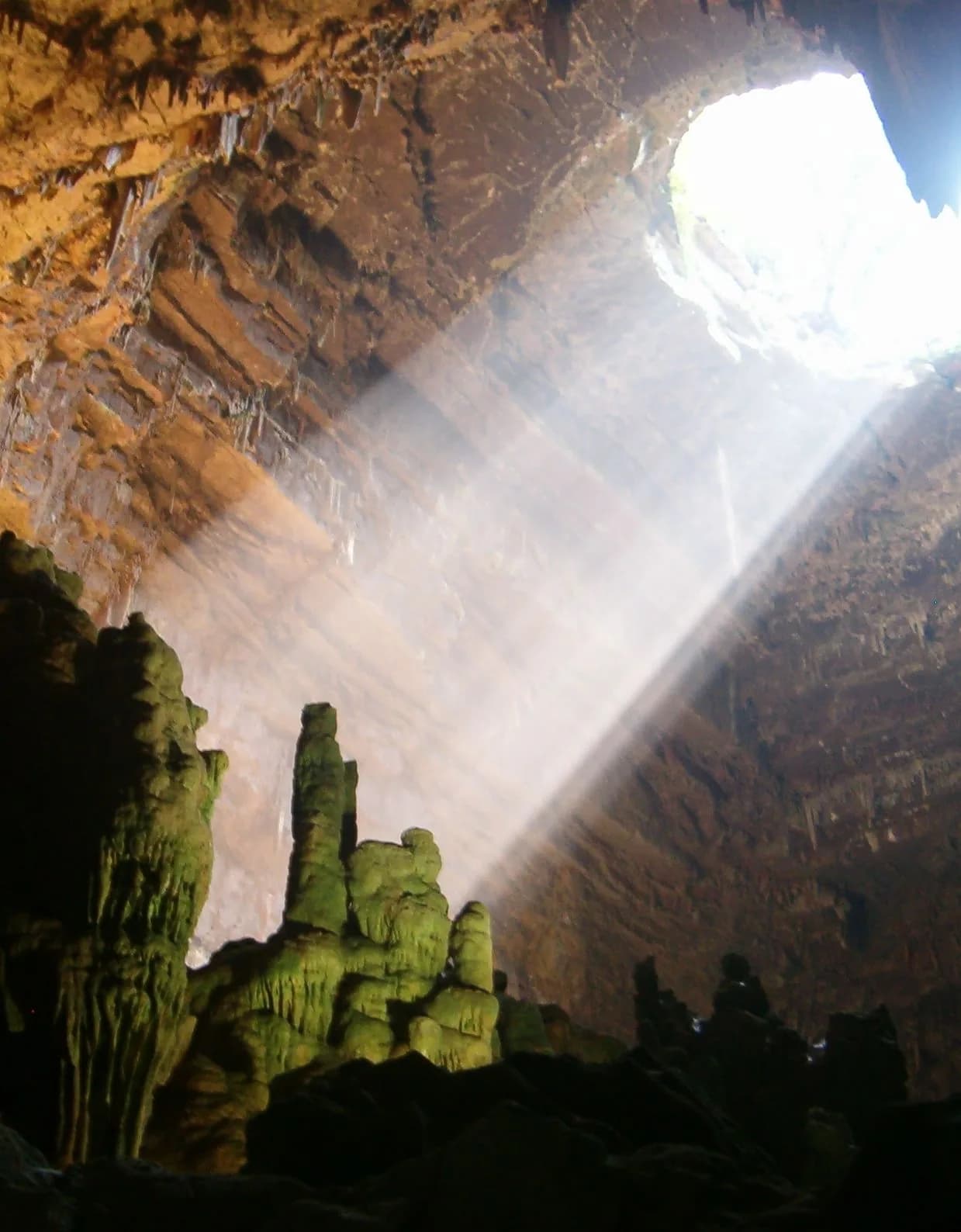
Castellana Grotte
Home to the stunning Grotte di Castellana - a major karst cave system with 3,348 meters of formations, 122 meters deep, and chambers with names like 'Monument Caves' and 'White Cave'. A UNESCO-recognized natural wonder with constant 14-18°C temperature.

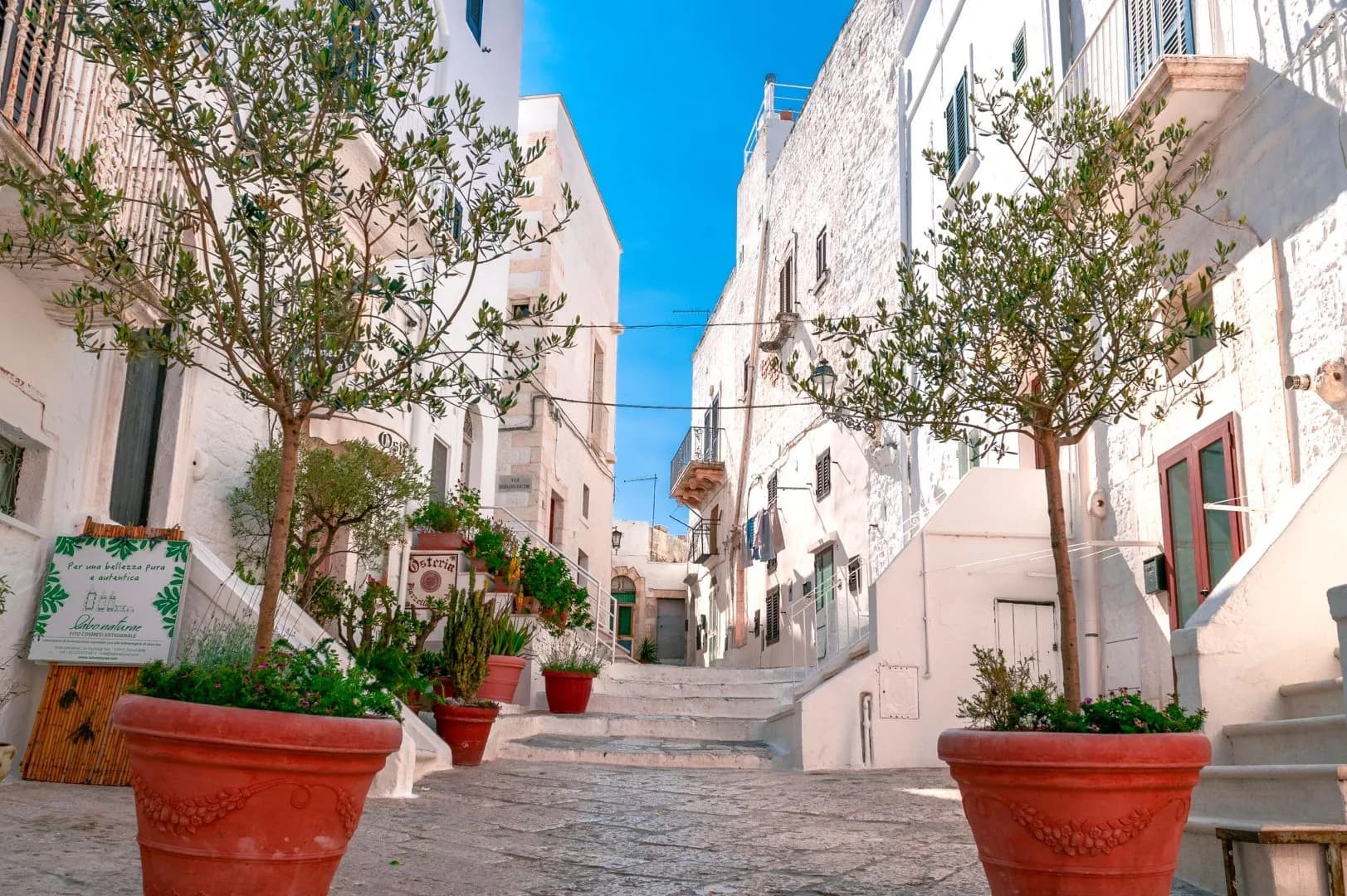
Ostuni
Perched on three hills in Apulia (Puglia), Ostuni's whitewashed buildings create a stunning contrast against the blue sky and surrounding olive groves.
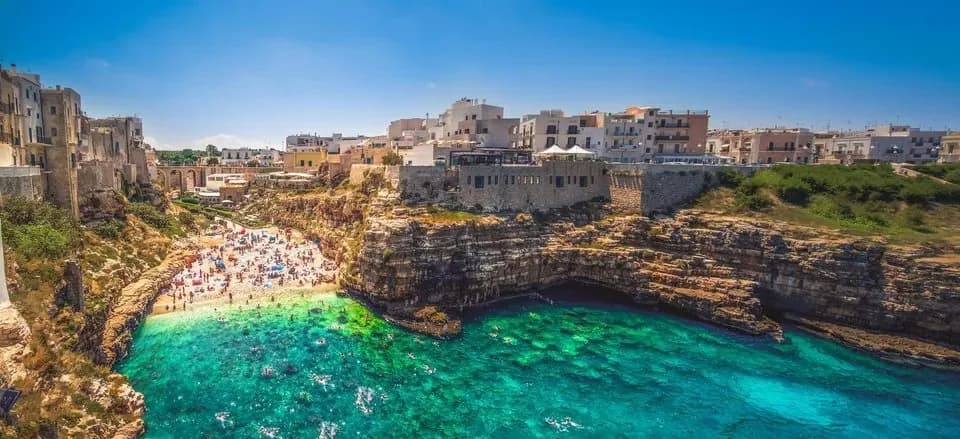
Polignano a Mare
Dramatically perched on limestone cliffs where old buildings seem to grow from the rock itself, overlooking turquoise Adriatic waters.