OSTUNI TRAVEL GUIDE: Beyond the White City
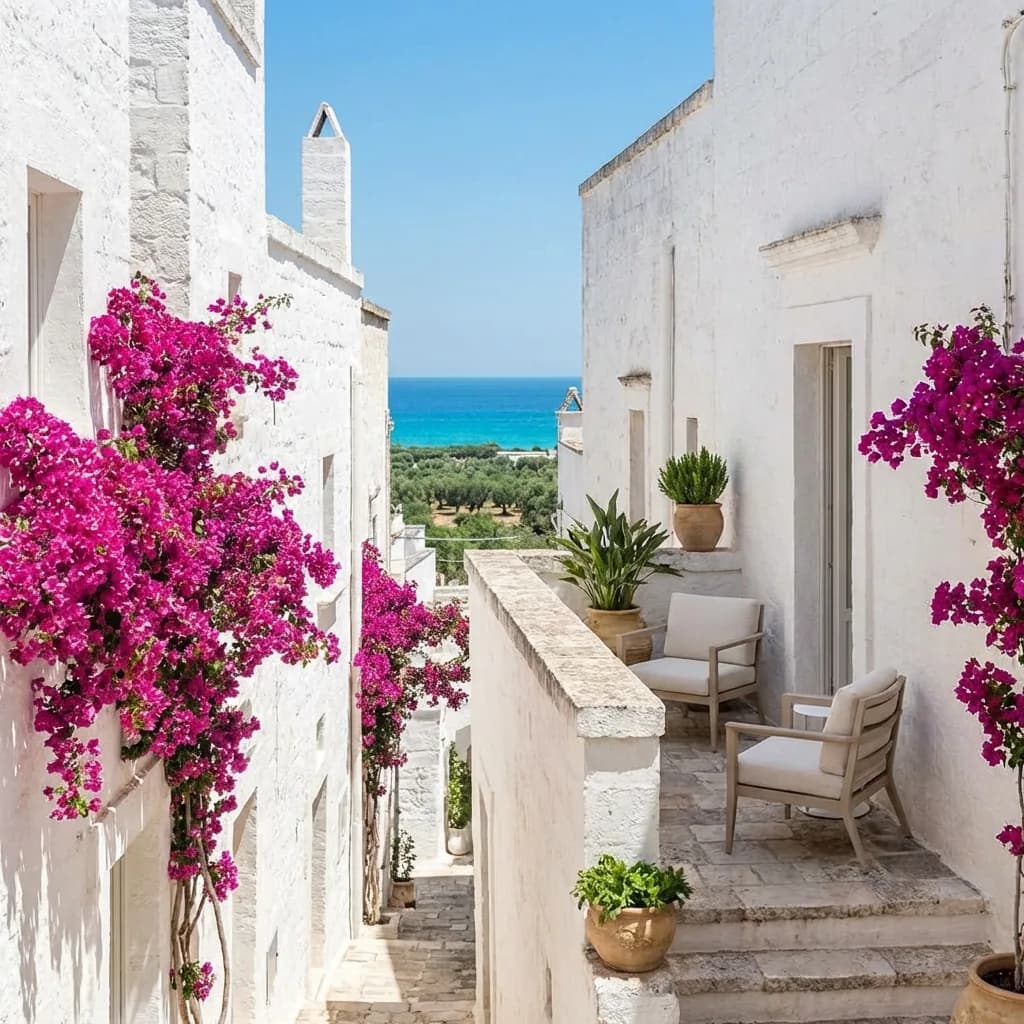
Ostuni's problem is that it's become a victim of its own aesthetic success. Every Instagram account from Dubai to Copenhagen features the same shot: white-washed buildings stacked against blue Mediterranean sky, blonde woman in flowing white dress, hashtag #Puglia #Whitewashed. The city has become a visual cliché before most travelers arrive at their Ostuni travel guide.
What Instagram doesn't show: Ostuni has substance underneath the whitewash. The town is actually two cities—the whitewashed old town (tourist Ostuni) and the medieval lower town (working Ostuni). They operate in parallel. If you understand how to move between them, you'll experience something genuinely worthwhile. If you don't, you'll take that white-dress photo and leave disappointed.
This guide is about making that distinction operational. About understanding why Ostuni looks like this. About eating where locals eat. About timing your visit to avoid becoming a photo prop in someone else's Instagram feed.
Understanding Ostuni's Two-Town Structure
Ostuni exists as a literal vertical geography that determines everything about your experience. The whitewashed old town sits 50 meters above sea level on a limestone plateau. The medieval lower town—where real Ostuni happens—sits at the base of that plateau, touching the modern harbor.
Most tourists never leave the old town. They arrive, photograph white buildings, eat at touristy restaurants in the central square, and leave. They miss the actual city entirely.
The Geology Explanation (Why Ostuni Looks Like This):
The town was rebuilt after 1571 when it was destroyed by Barbary pirates. The rebuilding followed Byzantine defensive logic—place the town on high ground, whitewash it to reflect heat, minimize windows on outer walls to prevent arrows, create a maze of internal streets for defense. The white coloring wasn't aesthetic; it was a security feature. When pirates returned, they'd see a hot, bright, disorienting fortress instead of an inviting settlement.
Over 450 years, the pirate threat disappeared but the whitewash remained. In 1960, architecture became fashionable in Europe. Ostuni's accidental defense feature became intentional aesthetic. That's when it was "discovered."
The Neighborhood Reality:
Upper Town (Ostuni Vecchia—Old Town)
- Where tourists cluster
- Whitewashed buildings, narrow alleys
- Main square (Piazza della Cattedrale) with cathedral
- Tourist restaurants and shops
- Where Instagram happens
- Actual population: ~500 residents (locals leaving for coast)
- Best time to visit: 6:00-8:30 AM (before crowds) or 6:30-8:00 PM (after heat)
Lower Town (Porto/Lungomare Zone)
- Where locals actually live
- Modern harbor, working fishing boats
- Authentic restaurants (not tourist-focused)
- Beach clubs and swimming access
- Where real Ostuni economic activity happens
- Actual population: 1,500+ residents
- Best time to visit: 12:00-2:00 PM (lunch), 6:00-8:00 PM (aperitivo)
Why This Matters for Your Visit:
If you arrive expecting "the white city" to be the whole experience, you'll be disappointed by 3 PM. The upper town offers 90 minutes of genuine interest (architecture study, photography) and 3-4 hours of forced tourism (overpriced restaurants, trinket shops, crowded alleys).
If you understand the two-town structure, you can spend 10 hours in Ostuni productively: 2 hours upper town (early morning, before crowds), 2 hours lower town (restaurants, beaches, working harbor), 2 hours wine exploration (outside town), 2 hours evening passeggiata (both towns come alive at dusk). This is a core part of any Puglia itinerary.
Upper Town (Ostuni Vecchia): Architectural Deep Dive
Piazza della Cattedrale (The Central Square)
This is where Instagram crowds concentrate. The cathedral dominates—built 1435-1569, it's a mix of Romanesque and Gothic with baroque additions. The facade has unusual geometry: the main entrance is offset to the left, not centered. This wasn't a mistake; it was intentional, related to defensive logistics from the pirate-era rebuilding.
Operational Details:
- Hours: Generally open 9:00 AM - 12:30 PM, 4:00 PM - 7:00 PM (varies seasonally)
- Entry: Free (€2-3 suggested donation)
- Best photography: Early morning light hits the facade around 7:00-8:00 AM (before tourists arrive)
- Photography reality: After 10:00 AM, impossible to get photos without 20+ people in frame
What to Actually Notice:
The cathedral's interior is surprisingly austere—the baroque energy lives on the exterior. The real architectural information is in the facade's sculptural details. Spend 20 minutes studying the carved figures and geometric patterns. They tell a narrative about local wealth during the Renaissance (fishing and trade).
The surrounding piazza buildings show how wealth distributed in the old town. The most elaborate palazzo facades face the cathedral. Corners were valued less (smaller buildings, simpler facades). This reveals the social hierarchy of 1500s Ostuni.
Palazzo Ostuni (One Block Southeast of Cathedral)
A private family residence (not open to public) that shows domestic baroque architecture. The balcony iron work is exceptional—twisted rods and scroll details that suggest local metalworking expertise. Photography is fine from the street; the owners are accustomed to visitors.
The Street Pattern (Why Ostuni Feels Confusing)
The medieval layout was deliberately designed to confuse invaders. Streets twist unpredictably, dead-end unexpectedly, and create a maze you can't navigate with logic. This is intentional defensive architecture.
Navigation Reality: Get a physical map (€2-3 at tourist office or kiosk). GPS fails in medieval street patterns. Physical map forces slower exploration and produces discoveries.
Best Meandering Route (60 minutes):
- Start: Piazza della Cattedrale
- Walk: Down narrow street southwest of cathedral
- Discover: Small chapels and altars carved into building sides (baroque devotional features)
- Continue: Toward the town's western edge
- Find: Views of the lower town and coast from narrow lookout points
- Return: Up the main street toward cathedral
- Time: 60 minutes at walking pace
Lower Town (Porto Zone): Where Ostuni Actually Works
The lower town isn't picturesque. It's functional. Modern harbor, parking lots, working-class restaurants. For tourists, this is the "real" experience precisely because it's not staged for tourism.
The Harbor (Porto di Ostuni)
The fishing industry still operates here. You'll see boats bringing in morning catch around 6:00-8:00 AM, and afternoon departures around 2:00-3:00 PM. This is legitimate Mediterranean fishing, not tourist theater.
Operational Details:
- Best time to visit: Early morning (6:00-7:30 AM) for fish delivery
- Photography: Fishermen are working, not posing, but generally don't mind photos (ask first)
- Eating options: Fish restaurants along harbor serve the boats
The Beach Clubs and Swimming Access
Spiaggia Rosa (Pink Beach, 1km south of harbor)
- Hours: Generally 8:00 AM - sunset
- Entry: Free beach, though beach clubs charge €8-15 for chair rental
- Swimming: Clean water, sandy bottom, good for all levels
- Crowd timing: 10:00 AM - 1:00 PM (heaviest), quieter before 9:00 AM and after 4:00 PM
- Facilities: Beach bar available, changing facilities at clubs
Anchovy Nets (Trabucchi—Historic Fishing Structures)
These wooden structures extending into the sea are 500-year-old fishing technology. Tourists photograph them; locals still use them (occasionally) for traditional fishing demonstrations.
Location: Northern coast, 2km north of harbor Best viewing: Early morning or sunset (light + fewer tourists) Photography: They look like alien structures—surreal and authentic
The Restaurant Geography and Where Locals Actually Eat
Tourist restaurants concentrate in and around Piazza della Cattedrale. They're expensive (€30-45/person), mediocre, and designed for people who will never return.
Working restaurants are in the lower town and side streets of the upper town. They're €15-25/person, actually good, and frequented by locals.
Where Tourists Eat (Avoid Unless You Want the Experience):
- Piazza della Cattedrale restaurants: €35-50/person, average quality
- Upper town touristy spots: €25-40/person
- Instagram-famous restaurants: €40-60/person, reservations required
Where Locals Eat (Go Here):
Osteria del Pescatore (Porto Zone)
- Location: Harbor area, literally next to fishermen
- Pricing: €18-28/person
- Specialty: Fresh fish of the day (literally caught that morning)
- Reservation: Not needed; come when fish is available (10:00 AM-2:00 PM, 6:00-9:00 PM)
- Why it works: Minimal menu (3-4 fish options daily), depends on morning catch
- Honest note: Casual, working-class atmosphere; not "charming" in tourist sense
Enoteca da Costantino (Upper Town, Side Street)
- Location: Via Cattedrale (north side, one block away from cathedral)
- Pricing: €20-32/person
- Specialty: Regional pasta, local wine focus
- Reservation: Book 1 day ahead, can accommodate walk-ins
- Why it works: Owner is sommelier; wine selection exceptional for size
- Atmosphere: Local, neither touristy nor pretentious
Taverna Pappagallo (Lower Town)
- Pricing: €15-22/person
- Specialty: Simple preparations—pasta, grilled fish, vegetables
- Reservation: Not needed
- Why it works: Honest food, no pretense, good value
- Warning: Limited English; ask staff to explain dishes
Strategy for Dining:
Book Enoteca da Costantino for dinner (special occasion, wine focus). Hit Osteria del Pescatore or Taverna Pappagallo for casual meals. Eat lunch at 1:00-2:00 PM, dinner after 8:30 PM (local timing).
Food Specialties Unique to Ostuni:
Orecchiette Ricci (Curly Pasta with Sea Urchin)
- April-May season only
- €18-25 at restaurants
- If available, order it (quality varies dramatically by season and freshness)
Burrata from Andria (30km away)
- Technically not Ostuni but Salento product
- Restaurants serve it daily
- Buy fresh from markets (€6-8) or order at restaurants (€12-16). This is a staple of food in Puglia.
Tiella (Baked Dish of Rice, Mussels, Potatoes)
- Seasonal (summer and fall)
- €12-18 at restaurants
- Worth trying; regional specialization
Wine + Aperitivo Culture in Ostuni
Ostuni sits between three wine regions. The aperitivo culture is strong—the passeggiata (evening walk) happens with wine in hand.
Best Aperitivo Spots:
Enoteca Salentina Ostuni (if exists) or Local Bar with Outdoor Seating
- Timing: 6:30-8:00 PM (when locals emerge)
- Order: Negroamaro or Fiano by the glass (€3-5)
- Snacks: Olives, cheese, bread
Wine to Drink:
Same as Lecce region (Primitivo, Negroamaro, Fiano). Ostuni restaurants will have local selections. Ask staff for recommendation; they'll point you to small producers.
Practical Framework for Ostuni
Best Time to Visit Ostuni
By Season:
- April-May: Ideal (warm, not hot, fewer crowds, sea urchin in season)
- June-August: Hot (38-40°C afternoons), crowded, accommodation expensive
- September-October: Still warm (28-32°C), manageable crowds, sea urchin returning
- November-March: Cool (15-20°C), minimal tourists, some restaurants closed (call ahead)
By Day of Week:
- Weekdays (Mon-Thurs): 40% fewer tourists, restaurants less crowded
- Weekends: 2-3x tourist density, harder to navigate
By Time of Day:
- 7:00-9:00 AM: Upper town quiet, best for architecture photography
- 10:00 AM-4:00 PM: Tourist chaos in upper town; better to be in lower town
- 6:00-8:30 PM: Entire town comes alive, passeggiata occurs, dinner service begins
- 9:00 PM onward: Tourist restaurants serve late; avoid (mediocre)
How Many Hours in Ostuni?
If 1 Day (6-8 hours):
- 2 hours: Upper town architecture (early morning)
- 3 hours: Lower town, harbor, lunch
- 2 hours: Beach or wine exploration
- 1 hour: Evening passeggiata and aperitivo
If 2-3 Days (overnight stay):
- Day 1 AM: Upper town exploration
- Day 1 PM: Lower town, harbor, beach
- Day 1 Evening: Wine tasting, dinner, passeggiata
- Day 2: Extend to wine region (Locorotondo, Salento) or beach clubs
- Day 2 Evening: Repeat passeggiata/dinner at different restaurant
Where to Stay in Ostuni
Ostuni offers a range of options from rustic charm to ultra-luxury. For the best experience, consider booking luxury masseria Ostuni through our platform.
Budget (€45-70/night):
- Small guesthouses in upper town
- Advantage: Authentic location, walking distance to restaurants
- Disadvantage: Street noise (locals living, cars), basic facilities
- Examples: Various B&Bs in old town, searchable through Booking.com
Mid-Range (€80-150/night):
- Converted palazzo rooms or small hotels in upper town
- Advantage: Good location, better service, character
- Disadvantage: Can feel touristy depending on place
- Examples: Focus on properties with 4.5+ ratings
Luxury (€180-350/night):
- Boutique hotels in converted historic buildings
- Advantage: Full experience, service-focused
- Disadvantage: Price reflects location premium, not necessarily quality
- Examples: High-end properties with pools/spas
Honest Assessment: For 1 night, mid-range (€100-120) is optimal. You get location without paying full luxury premium. For multiple nights, consider staying in lower town (cheaper, more authentic) and walking up for specific upper-town visits.
Transportation (Getting to/From Ostuni)
From Lecce (40km):
- Drive: 50 minutes
- Train: 45 minutes (rail connection exists, check schedule)
- Car rental: €35-55/day
From Brindisi Airport (50km):
- Drive: 55 minutes
- Private transfer: €50-80
- Car rental: €35-55/day
Getting Around Ostuni:
- Walking: Upper and lower towns walkable (10-15 min to reach harbor from cathedral)
- Parking: Limited in old town; park at harbor or lower-town lots (free or €1-2/hour)
Strategic Integration into Larger Apulia Trip
Ostuni functions best as a 1-night stop on a larger Salento itinerary, not a destination on its own.
3-Night Ostuni-Focused Itinerary:
- Night 1: Ostuni upper and lower town (as outlined above)
- Day 2: Extend to Polignano a Mare (15km, 25 minutes) or Monopoli (20km, 30 minutes)
- Day 2 Evening: Return to Ostuni, second restaurant experience
- Day 3: Locorotondo wine region (25km, 30 minutes), return for wine-focused dinner
- Night 3: Final aperitivo passeggiata in Ostuni
Alternative: Ostuni as Day Trip from Lecce
- Early morning departure from Lecce (40km, 50 min)
- 6-8 hours in Ostuni (upper town AM, lower town PM)
- Return to Lecce for dinner
- Works but loses aperitivo/evening experience (when town is best)
What Doesn't Work and What to Avoid
Don't: Expect upper town to be charming for more than 90 minutes Don't: Wear white dress for Instagram photo (you'll be one of 500 that day; white shows sweat) Don't: Eat at piazza restaurants thinking they're "local" Don't: Skip lower town thinking it's not worth visiting Don't: Visit during peak summer (June-August) expecting authenticity Don't: Drive in upper town (narrow streets, one-way confusion, limited parking)
Do: Arrive 7:00 AM for quiet upper-town exploration Do: Eat lunch at 1:00-2:00 PM Mediterranean timing Do: Spend 3+ hours in lower town/harbor zone Do: Join passeggiata at 6:30 PM (locals, social, authentic timing) Do: Book restaurant night before (or call that morning)
Photography Reality and Instagram Context
Ostuni is genuinely photogenic. The white buildings and blue sea create legitimate visual appeal. But Instagram has created expectation distortion.
What Instagram Shows:
- Empty white streets (shot at 6:00 AM)
- Blonde woman in white dress (staged)
- Perfect blue sky (cherry-picked sunny days)
- Piazza view without crowds (early morning or winter)
What's Actually Here:
- Crowded streets after 10:00 AM
- Mix of tourists and locals
- Mediterranean weather includes clouds
- Pigeons and trash mixed with aesthetic beauty
Where to Get Legitimate Good Photos:
Technical Photography Spots:
- Piazza della Cattedrale (6:00-7:30 AM): Empty cathedral facade with side-lighting
- Northwestern edge of old town: Views of lower town and coast from narrow lookout
- Harbor at sunrise: Fishing boats and light
- Spiaggia Rosa at sunset: Beach and sea with warm light
- Side streets during passeggiata (6:30-7:30 PM): Locals walking, authentic life
Honest Photography Timing:
- Best light: 6:00-7:30 AM and 6:00-8:00 PM
- Worst crowds: 10:00 AM - 4:00 PM
- Best photo opportunities require either 6:00 AM wake-up or staying evening
CTA SECTION
Ready to Experience the Real Ostuni?
This guide shows you the path beyond Instagram. Ready to book it?
Use apulia.travel to coordinate your stay.
Start with accommodation: Search Ostuni Hotels(https://apulia-travel.nuitee.link/collections/fa5685e6-5a7f-4e51-b042-134c8932c4f8/lp77c27)
Next Steps in Your Apulia Planning:
- Lecce 48-Hour Guide (40km north, strategic starting point)
- [Polignano a Mare: Cliff Dining & Cave Swimming] (15km south)
- Wine Tasting Tours Apulia (day trip accessible from Ostuni)
- Salento Food Guide (regional context for what you'll eat)
- 7-Day Apulia Itinerary (how to integrate Ostuni strategically)
More Apulian Insights
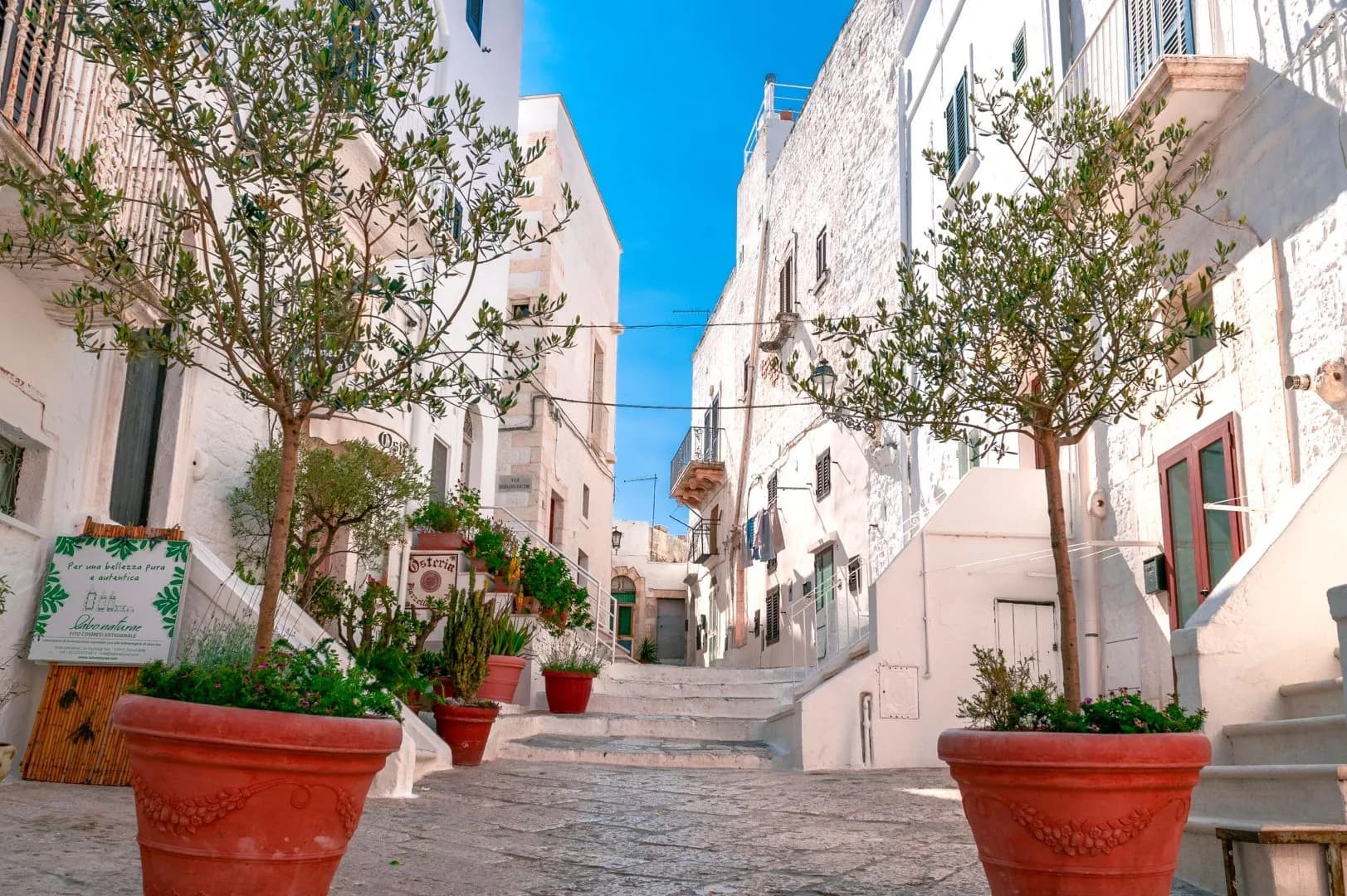

Explore Destinations

Fasano
A unique destination bridging inland Apulian countryside and Adriatic coast. Famous for Zoosafari Fasano (200+ species), featuring adventure park, walk-around areas, and wildlife shows. Also known for luxury masseria Book your Stay!, fine dining, and access to golden beaches.

Alberobello
Alberobello is a UNESCO World Heritage site in Apulia (Puglia) famous for its unique trulli houses - whitewashed stone dwellings with distinctive conical roofs.
Peschici
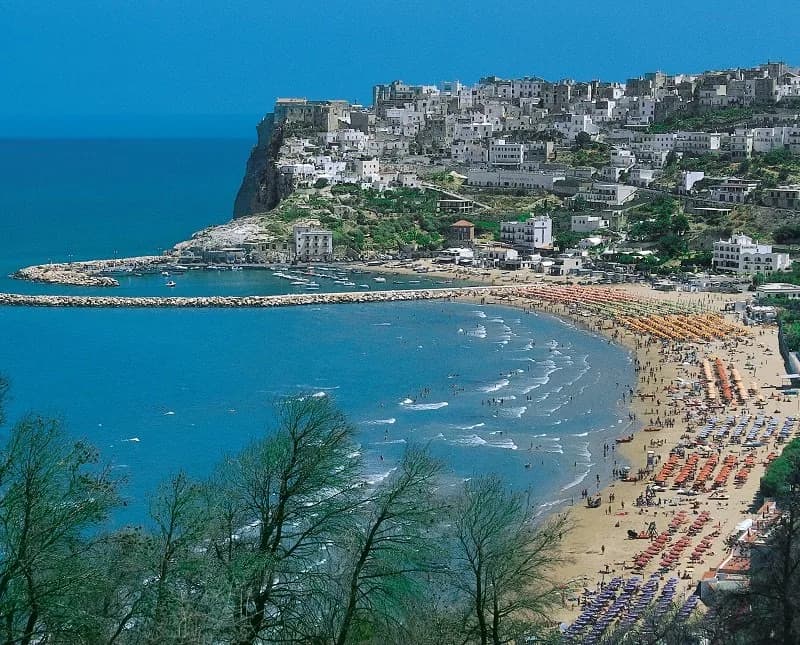
Peschici is a charming cliffside village perched 100+ meters above the Adriatic, featuring whitewashed cube-shaped houses with oriental domes, narrow winding streets, and a castle overlooking the sea.